Line Up Visual - Floor Markers
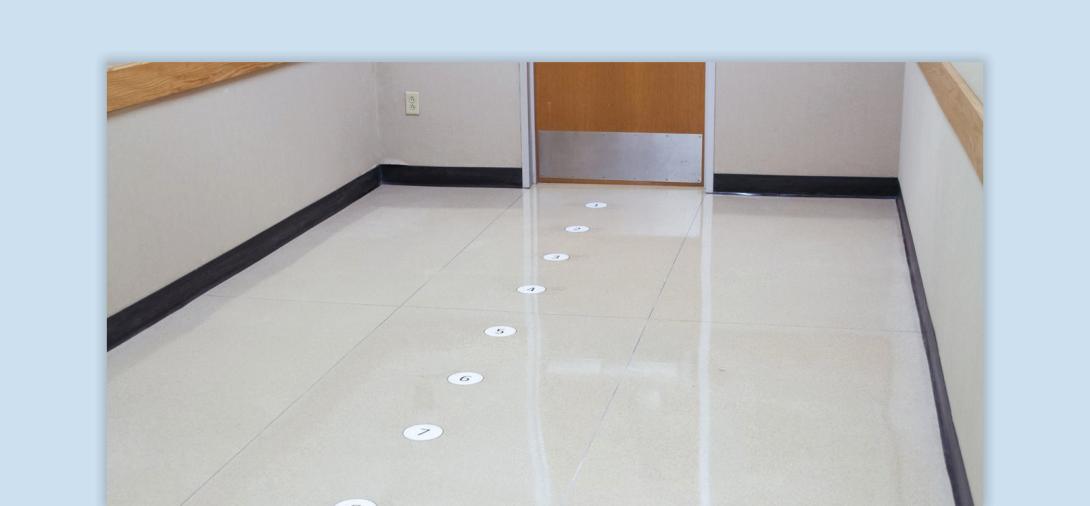
Line Up Visual-Floor Markers are visual cues placed on the floor to help students know where to stand when lining up. These markers help reinforce expected behaviors, reduce verbal prompting, and increase independence during transitions. They are especially useful for students who struggle with lining up, maintaining their place, or waiting appropriately.
When to Use:
- To Replace or Reduce Verbal Prompts - Provides a clear, structured visual for lining up.
- For Students Who Struggle with Lining Up - Helps those who have difficulty maintaining their place or understanding spatial boundaries.
- To Increase Independence in Transitions - Allow students to line up without constant adult support.
- To Reduce Line Disruptions - Ensures students stand in the correct location and maintain an orderly line.
- For Class Wide Use - Can be implemented as a universal classroom strategy for smoother transitions.
How to Use:
- Introduce the Concept - Show students the floor markers and explain their purpose, “These are your special spots. You stand here when it’s time to line up.”
- Model & Practice the Behavior - Demonstrate how to find and stand on the marker, and have students practice lining up with support.
- Provide Structured Reinforcement - Praise students when they stand on their marker correctly (e.g., “Awesome job standing on your spot!”).
- Use Visual & Physical Cues as Needed - If a student needs more support, gesture, point, or guide them to their spot. Pair floor markers with transition visuals for extra reinforcement.
- Gradually Fade Prompts for Independence - Reduce verbal and physical cues over time. Encourage students to find and stand on their marker without reminders.
Tips:
- Teach the Skill First - Some students may need multiple practice opportunities before using markers successfully.
- Use Durable Materials - Cover markers with packing tape or laminate them to extend their lifespan.
- Make Floor Markers Engaging - Use fun designs, colors, or personal symbols to increase student interest.
- Provide Immediate Reinforcement - Praise or reward students when they stand on their marker independently.
- Use Peer Modeling - Have other students demonstrate correct use of floor markers for added reinforcement.
- Modify for Sensory Needs - If a student seeks movement, allow wiggle cushions or other sensory-friendly standing spots.
Variations:
- Themed Floor Markers- Use shapes, animal prints, or cartoon characters to engage students.
- Numbered or Color-Coded Spots - Assign students specific numbers or colors for added structure.
- Tactile Markers for Sensory Support - Use Velcro, textured stickers, or raised markers for students who benefit from sensory input.
- Mobile Floor Markers - Instead of permanent spots, use removable Velcro dots for flexibility.
- Technology Integration - Pair with a digital visual schedule or countdown timer to support transitions.
Related Course

Autism
Visual Supports
Discover the power of visual supports for supporting students with ASD. Learn about implementation steps, skills, and resources to enhance independence.
View Course