Meeting Sensory Needs
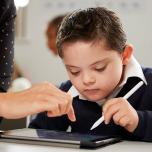
(upbeat music) (graphic whooshing) - [Narrator] In this video, we will explore how meeting students' sensory needs can have a significant impact on their success in the classroom. Meeting sensory needs means identifying and supporting a student's sensory preferences or sensitivities in ways that promote learning and reduce challenges for the student. Some students may seek or avoid certain sensory experiences like movement, sounds, or textures. These behaviors serve specific purposes such as self-regulation. Examples can include using noise-canceling headphones, fidget toys, and rocking chairs. - [Teacher] All right, stand up. - Let me just. - [Teacher] Which side, this side? - Oh. - Julius, this side or this side? - This side. - That side, okay. - Because that- - [Teacher] There you go, dude. There you go. You ready for your book? - Yeah. - [Teacher] There you go. ♪ Letters be ♪ ♪ I smile every time letter B is in a rhyme ♪ ♪ The perfect letter for me ♪ - [Narrator] Sensory tools and strategies can help students regulate their emotions, focus better, and engage more fully in their learning. Here, the teacher presents a reading task while the student is seated in an inflatable floor cushion. Creating a classroom environment with sensory-friendly strategies such as these can help students stay engaged and improve their emotional regulation. Integrating sensory support strategies and collaboration with an occupational therapist or other knowledgeable professional can contribute to a more effective learning environment. (light music)
Meeting your student’s sensory needs by identifying and supporting sensory preferences or sensitivities can have a significant impact on their success in the classroom.
Related Content
Autism, Behavior
How do I implement a sensory area?
Significant Cognitive Disabilities, Instruction, Assistive Technology