Printed from https://spedsupport.tea.texas.gov/

Supporting Early Childhood Transitions

Establish a Supportive Early Childhood Environment

Successful transitions are created through supportive early childhood environments. Key components of supportive early childhood environments include: inclusive settings, clear expectations, family involvement, realistic expectations, and futures planning. 

High Quality, Inclusive Environments

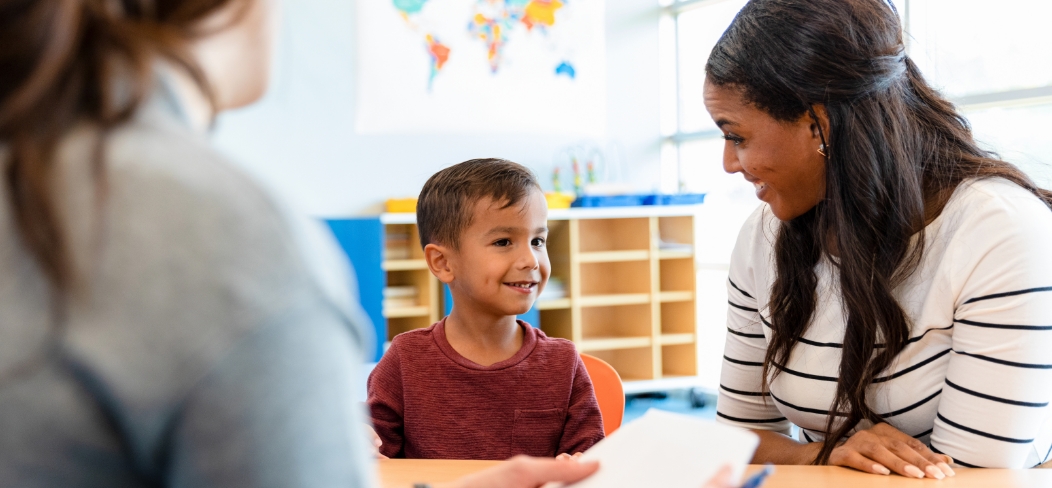
In early childhood programs, it is important that schools provide high quality, inclusive environments to support children with disabilities. Meaningful interactions and experiences with non-disabled peers will help prepare preschoolers with disabilities for elementary grade levels. Early childhood special education (ECSE) services should always be provided in the least restrictive environment (LRE). A general education preschool setting should closely resemble what a student would experience in kindergarten.

Clear Expectations

As children advance from one setting to the next, it is important that teachers set clear expectations. To prepare preschool students for future transitions, ECSE programs should utilize the Texas Prekindergarten Guidelines and commissioner-approved curriculum to ensure rigor and alignment with the Texas Essential Knowledge and Skills (TEKS). Using a curriculum that incorporates the Texas Prekindergarten Guidelines will support students and prepare them for elementary school. Any modified curriculum should also be aligned to support students as they strive for kindergarten readiness. Preschool teachers should gradually increase expectations for students who will enter kindergarten to prevent them from becoming overwhelmed. Waiting in line, sitting at a desk, walking in the hallway, sitting at circle time, and working in a group are skills that preschool teachers can actively address in smaller settings. Ready-to-learn skills help students when they transition to larger settings, such as kindergarten.

Family Involvement

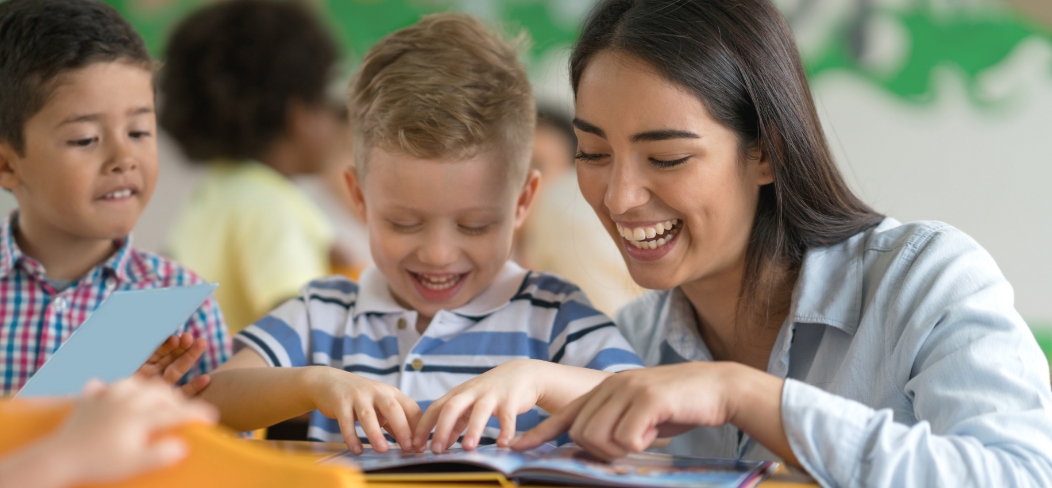
Teachers can support families by giving them activities they can do at home to help prepare their children for transition. Families can also help prepare by “reading to children, visiting a library, singing songs, playing games, etc.” (Rous et al., 2006). This guide provides additional suggestions and tips for involving families in the transitions of young children.

Futures Planning

The admission, review, and dismissal (ARD) committee should consider the skills a student will need for future success when determining a student’s specially designed instruction. Building self-determination skills early can help pave the way for a more successful transition when the student is ready to graduate from high school. Skills such as choice-making, decision-making, problem-solving, self-regulation, and self-awareness should be viewed as critical components to a student’s well-rounded educational program.  Teachers can begin working on these lifelong skills in preschool
Promote Communication and Collaborative Relationships

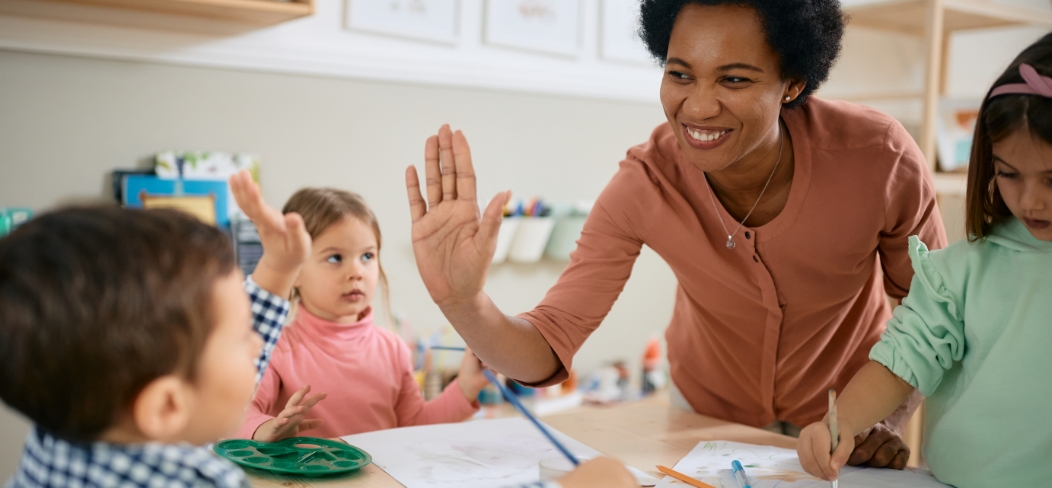
Other key elements in successful transitions include building strong communication, collaborative relationships, classroom visits, and professional development for staff. 

Building Strong Communication

Creating a successful relationship with each family is critical. Once teachers receive a list of their incoming students, they should make personal contact with each family to share information about the transition into a new classroom. This discussion should include an overview of classroom expectations and curriculum, strategies used to support the student at school, a description of school processes and procedures, individualized education program (IEP) implementation, and positive behavior supports.  

Keeping the lines of communication open between teachers and families is important.  In addition to providing regular progress updates and opportunities for families to ask questions, teachers can provide reading materials, videos, or online resources to provide support and strengthen rapport. Building genuine, collaborative relationships will foster smooth transitions and future success.

Collaborative Relationships

Children with disabilities and their families require a collaborative effort to successfully navigate from one setting to the next. Before program, classroom, or grade-level transitions start, a collaborative team should meet to discuss specific student needs. This team should include staff from the sending and receiving classrooms and family members. By discussing all aspects of transition and coordinating transition activities between programs, both the parent and child should feel more comfortable and prepared for the transition to a new classroom. 

Classroom Visits

A teacher can schedule classroom visits with the receiving classroom teacher to help build a successful relationship with a student with disabilities. Classroom visits are encouraged to help staff become acquainted with their new students even before classes begin. It is also beneficial for ECSE staff to visit kindergarten and elementary classrooms to support vertical alignment and set clear expectations. 

Professional Development

Providing training on vertical alignment to teachers of various grade levels can promote a more comprehensive perspective and clarify future expectations. 

Tips for Developing a Cohesive Transition Plan

1: Have All Members at the Table

Transition discussions are critical, so it is vital to have input from all members of the ARD committee. Family members can provide important information about the student’s needs related to upcoming transitions and information about self-determination skills observed at home. Schools should invite all prospective service providers to attend the ARD committee meeting to ensure the development of a cohesive plan that best addresses the specific needs of the student.

2: Discuss Transition at the Annual ARD

All the standard components and any remaining family concerns about transition to the school setting should be discussed at the ARD committee meeting to ease remaining concerns or fears parents may have regarding the next key steps for their child. This will result in an IEP that has relevant supports in place to help the student be successful in future environments.  

At each ARD committee meeting, the committee should look ahead at long-term outcomes for the student.  Discussing self-determination skills is a great way to begin these discussions. Self-determination skills are skills that a child will need as an adult.  Addressing self-determination skills can begin at a very early age to help prepare the child for lifelong success.

3: Transition Supports

Any necessary visual supports, reinforcement systems, teaching techniques, assistive technology, and prompting strategies should be shared with the elementary staff. The IEP should be clearly explained and outlined in the ARD committee meeting. In some situations, a child might require additional supports to begin the school year, which may be eliminated over time as the child adjusts to the new setting. With that in mind, always remember to monitor and review a student’s progress to determine if the plan is successful. ARD committees can always reconvene if the plan needs to be adjusted.

Strategies to Build Self-Determination Skills

Choice Making

Ages 3-5  

  • Provide choices in food, materials, and activities
  • Use visuals to support choice-making
  • Model how to make choices by providing a variety of learning centers and activities 

Ages 6-8

  • Provide choices in learning activities
  • Incorporate choice into non-academic activities (ex., where to sit at lunch)
  • Allow students choice in how to  complete tasks

Problem Solving

Ages 3-5   

  • Model and role-play how to resolve conflicts
  • Model and role-play solutions to  solve problems
  • Give students opportunities to make independent decisions about which learning center or materials would be appropriate
  • Encourage students to solve problems and persist with challenging tasks 

Ages 6-8 

  • Model and role-play how to resolve conflicts 
  • Model and role-play solutions to solve problems
  • Assist students with brainstorming  solutions to potential problems
  • Encourage students to solve problems  and persist at challenging tasks

Decision Making

Ages 3-5   

  • Discuss how to make appropriate decisions when given options
  • Model and role-play how to ask for help
  • Discuss the positive and negative consequences of making decisions 

Ages 6-8

  • Model and role-play decision-making, including consequences
  • Explore and discuss potential career choices

Self-Management & Self-Regulation

Ages 3-5  

  •  Involve students in creating classroom rules and expectations 
  • Use signals to prepare for transitions between activities 
  • Model and role-play expressing different emotions and feelings 

Ages 6-8 

  • Provide visuals to help students monitor their own assignments and activities 
  • Provide supports to help students monitor their own behavior

Awareness & Knowledge

Ages 3-5  

  • Teach students to identify individual interests and strengths 
  • Teach students awareness of their own body and boundaries for personal space
  • Encourage students to create self-portraits and describe themselves 

Ages 6-8 

  • Encourage students to create lists of  likes and dislikes
  • Highlight strengths of each student and keep track of the skills they need to build

Self-Advocacy & Leadership

Ages 3-5  

  • Model and role-play how to seek help before becoming frustrated 
  • Discuss positive and negative  consequences of actions  

Ages 6-8 

  • Encourage participation in extracurricular activities 
  • Provide opportunities to participate  in collaborative activities
  • Model acceptance of different  perspectives 

Internal Locus of Control

Ages 3-5  

  • Use props and activities to discuss emotions (books, role-playing, puppets) 
  • Engage students in discussions about the difference between feelings and behavior
  • Role-play how to breathe and calm oneself when upset and provide a safe place in the classroom 

Ages 6-8  

  • Provide a safe place in the classroom  when students are upset
  • Reward hard work and effort and encourage pride in your students

Independence

Ages 3-5   

  • Support children in becoming independent with self-care activities at school and home
  • Provide visuals to encourage independently cleaning up after play 

Ages 6-8 

  • Allow students to vote on classroom activities
  • Encourage students to make choices throughout the day

Early Transition Resources

Self-Determination Resources

2BSD The 2BSD provides information and resources for self-determination, using an action model for self-determination. You can use this website to learn about the concept of self-determination. Additionally, in the resources section of the website, there is a Self-Determination Supports for Parents Scale and Self-Determination Educators Scale available for free.  

I’m Determined!  - The I’m Determined project, a state-directed project funded by the Virginia Department of Education, focuses on providing direct instruction, models, and opportunities to practice skills associated with self-determined behavior. This project enables youth, especially those with disabilities, to undertake a measure of control in their lives, helping to set and steer the course rather than remain silent. Resources are available for educators (elementary through high school), parents, and students.

PACER Center: Self-Determination  - The PACER Center enhances the quality of life and expands opportunities for children, youth, and young adults with disabilities and their families so each person can reach his or her highest potential. PACER operates on the principles of parents helping parents, supporting families, promoting a safe environment for all children, and working in collaboration with others.

Texas Project FIRST: What is Self-Determination?  - This page from Texas Project FIRST (created by parents for parents) examines self-determination and what parents need to know. The home page also has many other informational resources.  

University of Kansas Beach Center on Disability: Self-Determination - The Beach Center on Disability focuses research, training, and advocacy on promoting abilities of people of all ages who experience disability, to ensure a self-determined, goal-driven, and self-selected quality of life within communities. The Families and  Self-Determination sections of the website provide resources and self-assessments for family members.

Resources for Parents to Support Early Transition

Children’s Learning Institute  - The Children’s Learning Institute (CLI) is a leader in developing research-based tools to improve early education quality. In 2014, CLI partnered with state agencies to build a platform that could deliver these tools to many programs. This platform, CLI Engage, now houses free resources for educators and families of children from birth to 2nd grade.  PreK to grade 2 activities are structured around a standard lesson cycle, with teacher tips and extensions to enrich implementation. The family collection includes activities that are designed or adapted for parents and caregivers to support skill growth using everyday materials in the home environment. English and Spanish versions of all activities are available. 

Navigate Life Texas - Navigate Life Texas was developed by parents, for parents. Most of the content is written by parents of children and adults with disabilities or special health care needs. 

Parent Companion - Parent Companion is a website that can connect parents with each other and help them find the support and services they may need. Resources include tips for navigating transitions, agencies that can provide assistance, and a list of important developmental milestones.

Partners Resource Network  - Partners Resource Network is a non-profit agency that operates the Texas statewide network of Parent Training and Information Centers [PTIs are funded by the U.S. Department of Education, Office of Special Education Programs (OSEP)]. The PTI projects are: PATH, PEN, and TEAM. 

Global Family Research Project  - This project promotes innovative program development, family-provider relationships, community collaborations, and successful transitions. This collaborative project provides 

resources to assist with empowering family engagement in their child’s learning, from early childhood to young adulthood. A free resource, “Why Family Engagement Matters for Student and School Success,” presents proven strategies for creating ongoing relationships to support student success. 

Division for Early Childhood - The Division for Early Childhood (DEC) promotes policies and advances evidence-based practices that support families and enhance the optimal development of young children (0-8) who have or are at risk for developmental delays and disabilities.  The DEC Recommended Practices provide guidance to practitioners and families about the most effective ways to promote learning outcomes and promote the development of young children. Topics addressed include: assessment, environment, family, instruction, interaction, teaming and collaboration, and transition.

Resources for Educators to Support Early Transition

Early Childhood Education in Texas - Texas Education Agency’s website provides support for effective and aligned early learning opportunities.  This website includes educator resources, family resources, and information about high-quality prekindergarten. 

Prekindergarten State Standards - The revised prekindergarten guidelines are aligned with the Kindergarten Texas Essential Knowledge and Skills (TEKS), sequenced to follow child development and give teaching strategies for each of the guidelines. The new guidelines offer educators the information and support to prepare all children for success in kindergarten. 

Kindergarten Texas Essential Knowledge and Skills - The State Board of Education (SBOE) has legislative authority to adopt the TEKS for each subject of the required curriculum. This is where you will find the TEKS for kindergarten.


Printed from https://spedsupport.tea.texas.gov/